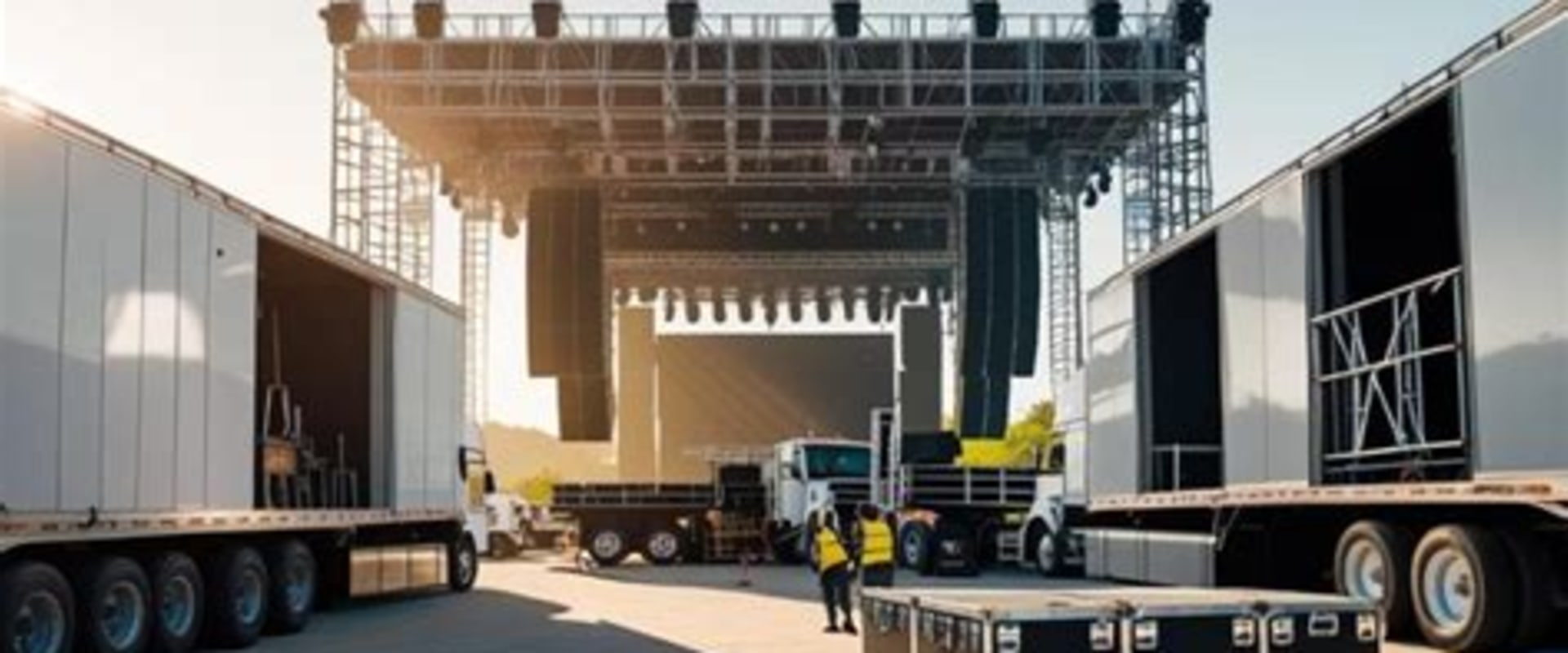
Large worship events often appear seamless to attendees, with music, seating, lighting, and stage arrangements already in place before the congregation arrives. However, behind every successful service, conference, revival, or outreach gathering is a significant amount of logistical planning involving the transportation and setup of musical equipment, seating, staging materials, and technical systems. Whether the event takes place in a church sanctuary, outdoor venue, convention center, or temporary worship space, moving these items efficiently requires careful scheduling, coordination, and specialized handling. Many people do not realize how much preparation occurs long before the first song begins or the first attendee enters the venue.
Musical Equipment Requires Careful Handling
One of the most challenging parts of worship event preparation involves transporting musical equipment safely between locations. Worship bands and church music teams often rely on pianos, drum kits, guitars, soundboards, amplifiers, microphones, speakers, and digital equipment that are both expensive and delicate. Many of these items are sensitive to vibration, moisture, and sudden temperature changes during transport. Pianos and keyboard systems require especially careful handling because internal components can shift if improperly secured during movement. Audio equipment must also remain organized and protected because damaged cables, mixers, or speakers can disrupt the entire worship experience once the event begins.
Timing Is Critical During Event Setup
Unlike standard residential or office moves, worship event logistics often operate under strict time limitations. Setup teams may have only a few hours between venue availability and the beginning of rehearsals or services. This means movers and volunteers must work quickly while still protecting equipment and maintaining organization throughout the process. Seating arrangements, stage layouts, and audio systems frequently need to be assembled in a precise order to avoid delays. Worship teams also rely heavily on sound checks and rehearsal time, so transportation schedules must align carefully with technical preparation and musician arrival times.
Seating Logistics Are More Complex Than They Appear
Moving and arranging seating for worship events is another hidden logistical challenge that requires detailed planning. Large gatherings may involve transporting hundreds of chairs, pew-style seating sections, risers, or portable staging systems depending on the venue layout. Seating placement affects visibility, emergency access, sound distribution, and overall crowd flow throughout the event space. In temporary venues or outdoor worship events, setup crews often need to adjust seating based on weather conditions, power access, or space limitations. Companies such as Mountain Movers in Round Rock, TX understand that large-scale moving projects often involve far more coordination than simply transporting furniture or equipment from one place to another.
Technical Systems Must Be Protected During Transport
Modern worship events depend heavily on technology, including projectors, LED screens, live-streaming systems, lighting rigs, and wireless audio equipment. These systems require careful packaging and organized transportation to prevent damage or setup confusion. Even small technical problems can delay rehearsals or interfere with the worship experience once attendees arrive. Event teams often label and organize cables, speakers, and electronic components carefully to streamline installation at the venue. Protecting these systems during loading and unloading becomes especially important for recurring events or traveling worship groups that relocate equipment frequently.
Venue Access and Crowd Management Add Challenges
Worship event logistics are also influenced by venue access restrictions and crowd management considerations. Some churches or event centers may only allow limited setup windows, while outdoor venues often require additional planning for weather protection and transportation routes. Parking limitations, loading dock access, and stairway navigation can all complicate the moving process for large musical and seating setups. Coordinating volunteers, movers, musicians, and technical staff within these limitations requires careful communication and organization throughout the event preparation process.
Careful Logistics Support Meaningful Gatherings
While attendees may only see the finished setup, the success of worship events often depends on the hidden logistical efforts happening behind the scenes. Safe transportation, organized setup procedures, and careful equipment handling help create an environment where worship teams can focus on the service itself rather than technical or logistical problems. Proper planning ultimately supports smoother events, protects valuable equipment, and helps create comfortable, organized spaces for meaningful gatherings and community connection.